Iguazu Falls is a year-round destination, but the experience changes dramatically depending on when you arrive. Come in the wrong week and you might face intense heat and heavy crowds; come at the right time and you get thundering water, comfortable trails, and space to breathe. So what is the best time to visit Iguazu Falls? The honest answer is that it depends on what you want — peak water flow, mild weather, or fewer people. This month-by-month guide walks you through the subtropical seasons, what the falls actually look like at each time of year, and how to balance water volume against comfort and crowds, so you can pick the window that suits your trip.
By Romina, Iguazu Destination Expert at 01Argentina Travel Agency
Quick answer
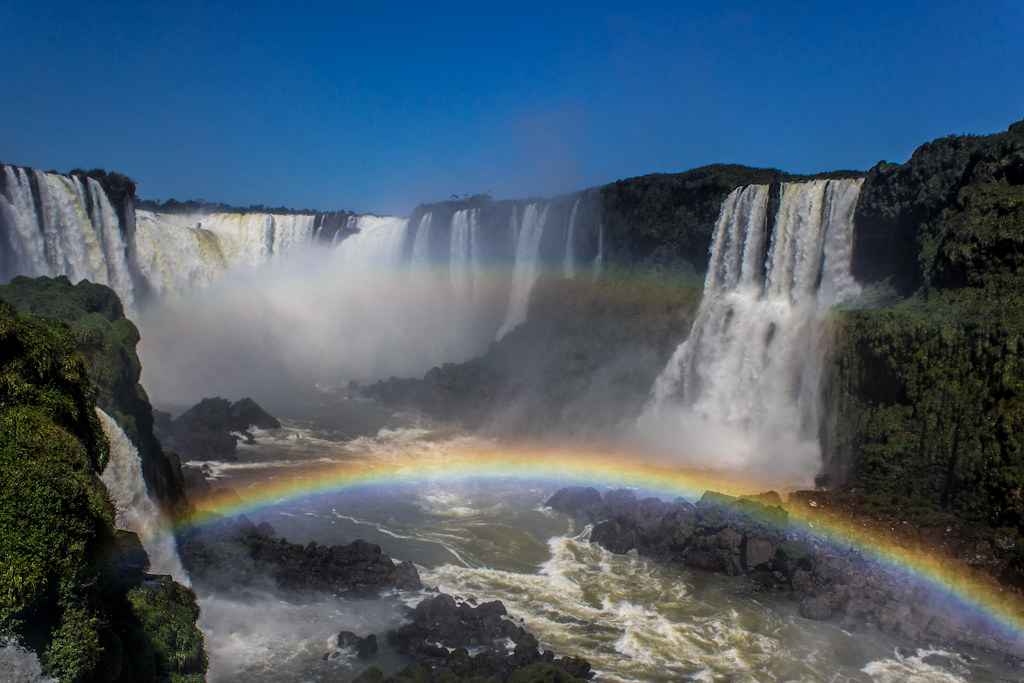
For most travelers, the sweet spots are the shoulder months of March to May and September to November: the weather is pleasant, the crowds thinner, and the water still strong. The falls are at their most powerful in the summer rainy season (December to February), but that is also the hottest and busiest time. Winter (June to August) is mild and dry, with lower but still impressive flow.
Understanding the Iguazu Climate
Iguazu sits in a humid subtropical zone on the border of Argentina and Brazil, surrounded by dense rainforest. That means warm temperatures for most of the year and no true dry season — rain can fall in any month. What changes is intensity: summers are hot and wet, winters are mild and drier. Because the falls are fed by the Iguazu River, recent rainfall upstream has a bigger effect on the spectacle than the weather on the day you visit. A sunny afternoon after a week of rain can deliver the most dramatic flow of all.
Iguazu Falls Month by Month
Summer: December to February
This is the rainy season, and the falls are at their most ferocious — a genuine wall of water and mist. It is also the hottest stretch, with high humidity that makes the trails feel heavy, and it coincides with the South American holidays, so the park is at its busiest. If raw power is your priority and you do not mind heat and crowds, this is your window. Start early, hydrate constantly, and expect afternoon downpours.
Autumn: March to May
Many locals consider autumn the finest time to visit. The summer heat eases into warm, comfortable days, the holiday crowds thin out, and the river usually still carries strong flow from the wet months. Trails are pleasant, wildlife is active, and photography is rewarding in the softer light. For a balance of everything, this is hard to beat.
Winter: June to August
Winter brings mild, drier weather and the smallest crowds of the year outside the July school break. Temperatures are agreeable for walking the circuits, and while the water volume is lower than in summer, Iguazu remains overwhelming — there is no such thing as an unimpressive day here. July can be busier due to local holidays, so aim for June or August if you want quiet.
Spring: September to November
Spring is the other shoulder-season gem. The rainforest bursts into life, temperatures climb pleasantly, and rainfall begins building the river back toward its summer peak. Crowds are moderate and the atmosphere is fresh. Like autumn, it offers an excellent all-round compromise between water, weather, and space.
Water Volume vs. Comfort: The Real Trade-Off
Every choice at Iguazu is a trade-off between three things: how much water is falling, how comfortable the weather is, and how many people share the walkways with you. High summer maximizes water but sacrifices comfort and space. Winter maximizes comfort and quiet but reduces flow. The shoulder seasons split the difference, which is why we steer most first-time visitors toward them. Whichever you choose, remember that the falls rarely disappoint — even in a drier spell, the sheer scale of the site carries the day.
Tips for Any Season
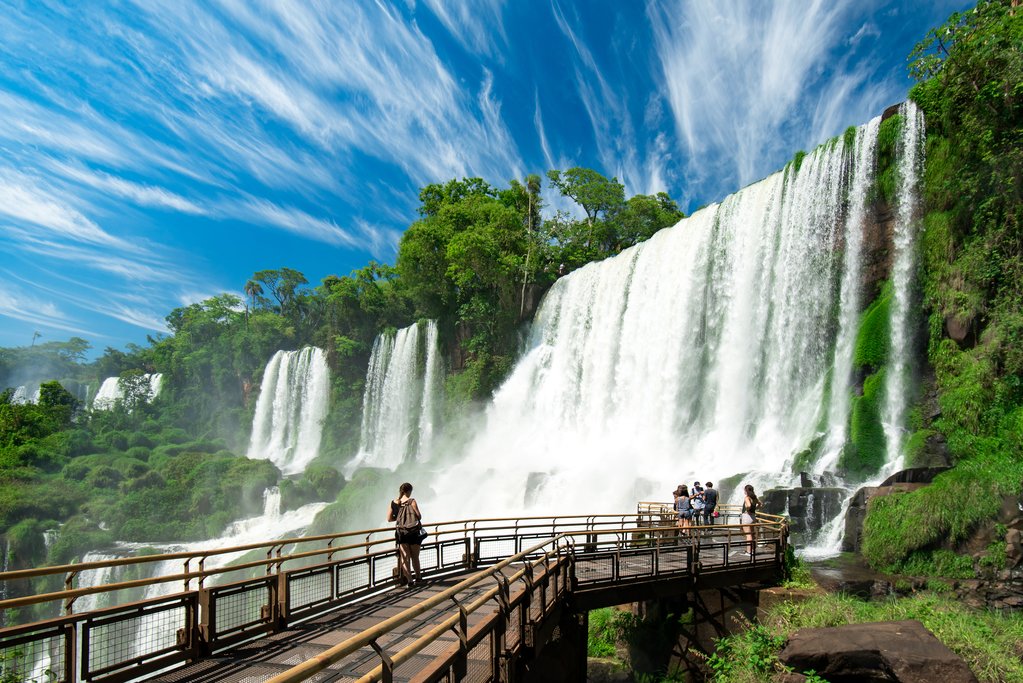
- Arrive at opening time to beat both the heat and the tour-bus crowds.
- Pack a light rain poncho and quick-dry clothing — spray and showers are part of the experience.
- Bring sun protection, insect repellent, and plenty of water for the humid trails.
- Allow at least two days if you want to see both the Argentine and Brazilian sides without rushing.
If you would rather leave the timing, transfers, and park logistics to someone who knows the region, our Iguazu Falls tours are built around the best conditions for your dates.
Which Season Suits Which Traveler
If you are still torn, it helps to match the season to the kind of traveler you are. Photographers and nature lovers tend to prefer autumn and spring, when the light is soft, the rainbows are frequent, and the wildlife is easy to spot without the harsh midday glare. Families and anyone sensitive to heat do best in the mild shoulder months, which keep the long walks comfortable for all ages. Budget-conscious travelers and those who prize quiet should look to winter, outside the July holidays, when crowds thin and rates often ease. And if your single goal is to witness the falls at their most overwhelming, the summer rainy season delivers that raw power — just come prepared for heat, humidity, and company on the walkways. There is no wrong answer, only the season that best fits your priorities.
Wildlife and the Rainforest by Season
The falls are only half the story at Iguazu; the surrounding Atlantic rainforest is one of the most biodiverse places in Argentina, and what you encounter shifts through the year. In the warm, wet months the jungle is at its lushest, butterflies gather in dazzling clouds along the walkways, and birdlife is loud and abundant. The cooler, drier months bring clearer trails and easier wildlife spotting, as thinner vegetation and gentler temperatures make coatis, capuchin monkeys, and toucans simpler to observe. Whenever you come, early morning is the golden window: the park is quietest, the light is soft, and the animals are most active before the heat and the crowds build. Keeping your eyes on the treeline between viewpoints often rewards you as much as the falls themselves.
Weekends, Holidays, and Crowds
Season is not the only thing that shapes your visit — the calendar matters just as much. Argentine and Brazilian school holidays, long weekends, and the Christmas-to-Carnival peak fill the park regardless of the weather, so if quiet is a priority, aim for midweek days outside these periods. Arriving at opening and walking against the flow of the tour groups makes even a busy day feel manageable, since most large groups start on the same circuits at the same time. A little planning around both the season and the weekly rhythm goes a long way toward a calmer, more rewarding day at the falls.
Frequently Asked Questions
When is the rainy season at Iguazu Falls?
The wettest months are the southern summer, roughly December to February, when the falls reach their highest volume. Rain can occur in any season, but this period sees the heaviest and most frequent downpours.
What is the best month to visit Iguazu Falls?
There is no single perfect month, but April and May in autumn and September and October in spring consistently offer the best mix of strong water flow, comfortable temperatures, and manageable crowds.
Does the weather affect the excursions?
Yes. Heavy rain can raise the river enough to briefly close the Devil’s Throat walkway or pause the boat ride, while long dry spells lower the flow. The main circuits stay open in most weather, so even a rainy visit is very much worthwhile — and the mist can be spectacular.
Can the Devil’s Throat walkway close?
Occasionally. After exceptional rainfall the river can rise enough that the Devil’s Throat catwalk is closed for safety. It usually reopens within a day or two, so it is worth prioritizing that viewpoint early in your visit if conditions look uncertain.
Plan Your Visit to Iguazu
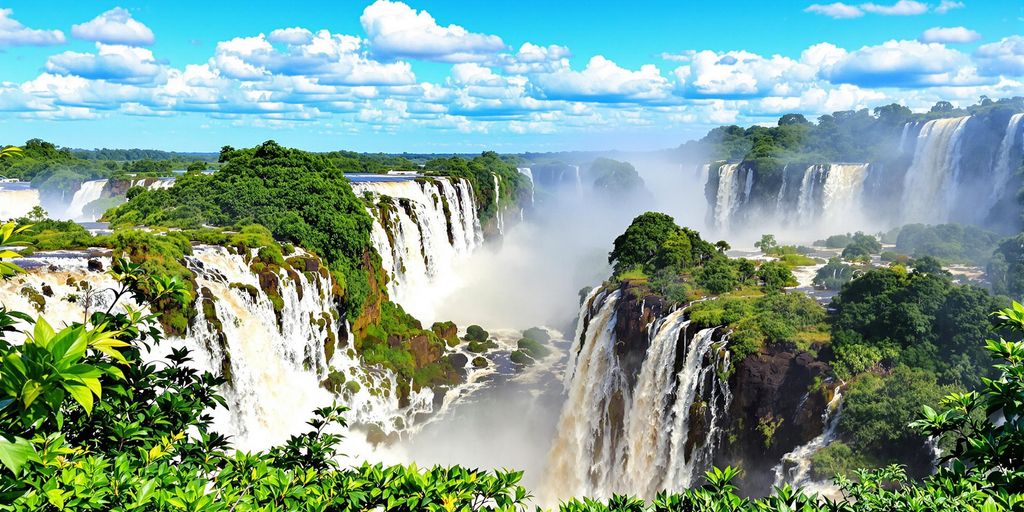
The best time to visit Iguazu Falls is really the time that matches your priorities — power, comfort, or quiet. With a little planning around the seasons, you can tilt the experience in your favor. Once you have your dates, our next step is deciding how long to stay: see our guide on how many days you need at Iguazu Falls.
Plan your visit to the falls with our local team and explore Iguazu Falls tours at www.01argentina.com — WhatsApp available for a fast response, typically within 24 hours.