5 Common Mistakes When Visiting Iguazu Falls (And How to Avoid Them)
Iguazu Falls stands as one of the world’s most breathtaking natural wonders, straddling the border between Argentina and Brazil. With 275 individual cascades stretching nearly two miles across lush subtropical rainforest, it’s no surprise that millions of travelers add this destination to their bucket lists each year. However, after more than two decades of guiding visitors through this magnificent landscape, we’ve observed certain recurring mistakes that can significantly diminish the experience.
Understanding these common pitfalls before you arrive can transform your visit from merely good to absolutely extraordinary. This comprehensive guide draws on over 20 years of professional experience in organizing Iguazu Falls tours to help you maximize every moment of your journey to this UNESCO World Heritage Site.
Mistake #1: Exploring Only One Side of the Falls
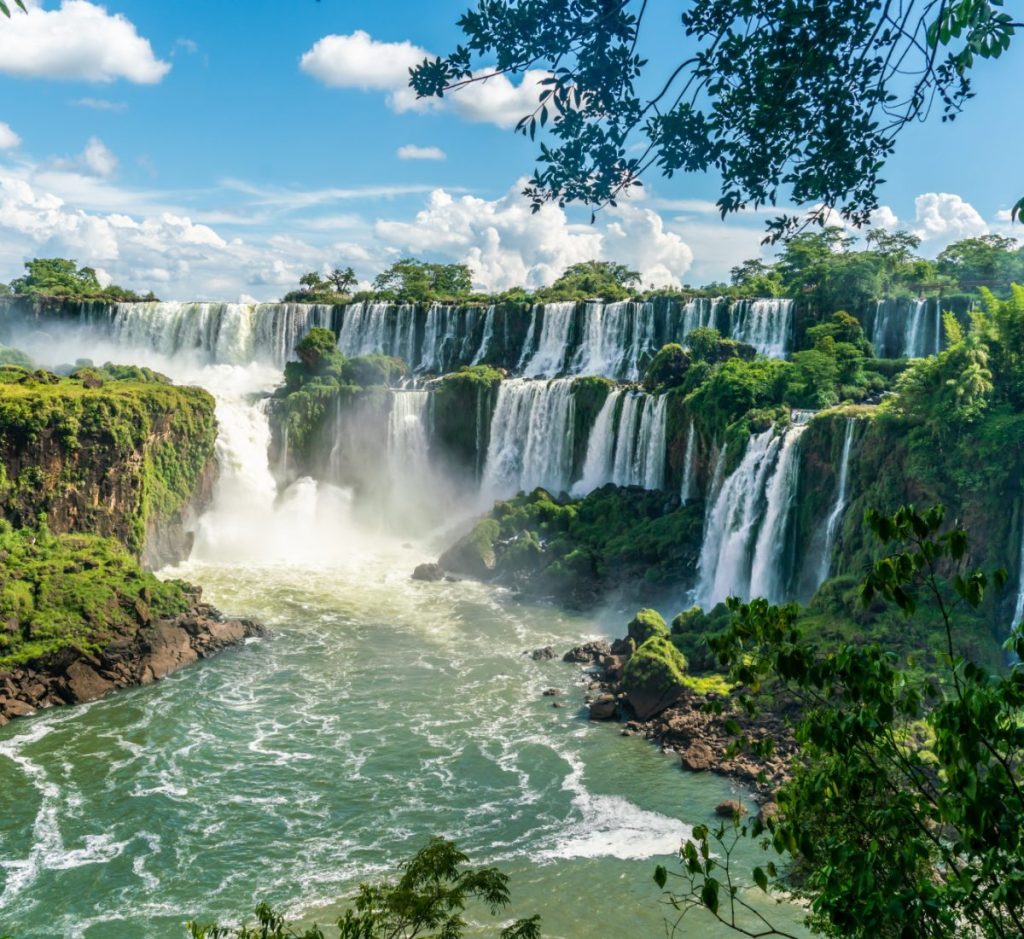
Perhaps the most frequent oversight travelers make is limiting their visit to either the Argentine or Brazilian side exclusively. This decision, often driven by time constraints or logistical concerns, means missing out on fundamentally different perspectives of the same spectacular natural phenomenon.
Why This Is a Problem:
The Argentine side offers an intimate, immersive experience where you can walk among the falls themselves. The trail system brings you so close to the cascading water that you’ll feel the mist on your face and hear the thunderous roar surrounding you from multiple vantage points. The highlight is undoubtedly the Devil’s Throat, a U-shaped chasm where the river plummets 80 meters in a display of raw natural power that must be witnessed to be believed.
Conversely, the Brazilian side provides the panoramic perspective that produces those iconic postcard photographs. From this vantage point, you can appreciate the full scale and majesty of the falls complex in a way that’s simply impossible from the Argentine side. The walking trails are shorter but offer sweeping vistas that allow you to comprehend the entire spectacle at once.
How to Avoid This Mistake:
Allocate a minimum of two full days for your Iguazu Falls visit—one day for each side. This approach allows you to experience both the intimate proximity of the Argentine trails and the grand panoramic views from Brazil without feeling rushed. Keep in mind that crossing the international border requires valid travel documentation, so ensure your passport is current and check whether you need a visa for Brazil if you’re visiting from the Argentine side.
The logistical aspects of crossing borders might seem daunting, but with proper planning, the process is straightforward and adds an exciting international dimension to your adventure. Many experienced tour operators can facilitate seamless transfers between both sides, handling the border crossing procedures efficiently.
Mistake #2: Ignoring Climate Patterns and Seasonal Considerations
Iguazu Falls operates under a subtropical climate, which means weather conditions can vary dramatically throughout the year. Travelers who fail to research seasonal patterns often find themselves either uncomfortably hot and crowded or facing disappointingly low water levels.
Why This Is a Problem:
The volume of water cascading over Iguazu Falls fluctuates significantly depending on the season. During the rainy season (October through March), the falls reach their most impressive flow rates, with millions of liters plunging over the precipice every second. However, this period also brings higher temperatures, increased humidity, and larger crowds, particularly during the peak summer months of December through February.
The dry season (April through September) offers cooler, more comfortable temperatures and fewer visitors, but water levels decrease noticeably. While still impressive, the falls lack the overwhelming force that makes them truly awe-inspiring during high-water periods.
How to Avoid This Mistake:
Consider visiting during the shoulder seasons—April to June or September to November. These periods offer an ideal balance: substantial water flow without extreme heat, and moderate crowds without the isolation of deep off-season travel. April and May are particularly favorable, as they follow the rainy season and maintain excellent water levels while temperatures begin to moderate.
Regardless of when you visit, pack appropriately for subtropical weather. Lightweight, quick-drying clothing is essential, as you will get wet from the mist, especially near the Devil’s Throat. Bring waterproof protection for cameras and electronics, and wear comfortable walking shoes with good grip—the walkways can become slippery.
Always check the extended weather forecast before your trip and have contingency plans for rain. Afternoon thunderstorms are common during summer months, though they typically pass quickly and can actually enhance the dramatic atmosphere.
Mistake #3: Underestimating the Time Required for Each Side
Many first-time visitors assume they can adequately explore both sides of Iguazu Falls in a single rushed day. This miscalculation leads to hurried visits that miss significant trails, overlooks, and experiences that make the destination truly memorable.
Why This Is a Problem:
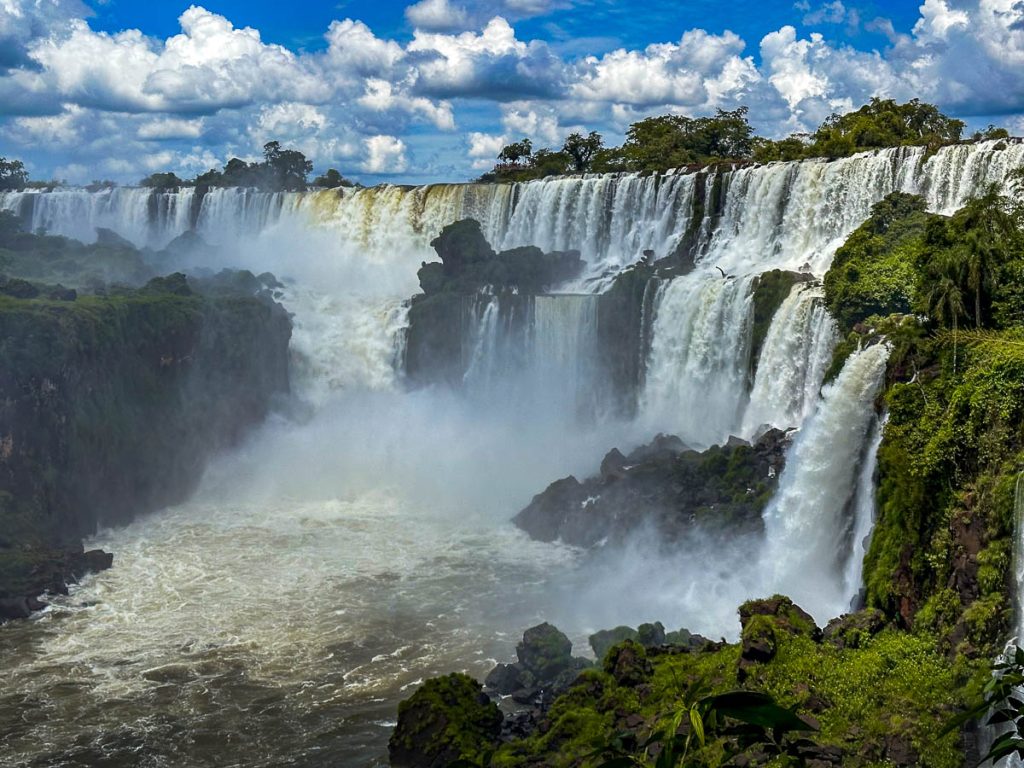
The Argentine side alone features three main circuits: the Upper Circuit (approximately 1.8 kilometers), the Lower Circuit (1.6 kilometers), and the Devil’s Throat trail (1.1 kilometers each way). Walking these trails at a leisurely pace, stopping for photographs and simply absorbing the views, typically requires four to six hours. Factor in the train rides to different sections, potential queues during high season, and time for rest and refreshment, and you’re looking at a full day’s adventure.
The Brazilian side, while more compact, still demands two to three hours to experience properly. The main trail offers constantly evolving perspectives as you progress, and rushing through means missing the subtle changes in viewpoint that make the walk so rewarding.
How to Avoid This Mistake:
Dedicate separate full days to each side of the falls. Begin early in the morning when parks open—typically around 8:00 AM—to avoid midday heat and crowds. This schedule allows you to explore at a comfortable pace, revisit favorite spots, and perhaps enjoy optional activities like boat rides beneath the falls or wildlife watching in the surrounding jungle.
If your schedule absolutely cannot accommodate two full days, prioritize the Argentine side, as it offers more diverse experiences and closer encounters with the falls. However, understand that this compromise means forgoing the spectacular panoramic views that only Brazil can provide.
Consider your physical fitness level when planning. While the trails are well-maintained and accessible, they involve considerable walking, stairs, and uneven surfaces. Build in time for breaks, especially during warmer months.
Mistake #4: Failing to Plan Cross-Border Transportation in Advance
The border crossing between Argentina and Brazil adds a layer of complexity that catches many travelers unprepared. Without advance planning, you may face significant delays, unexpected costs, or logistical frustrations that consume valuable time.
Why This Is a Problem:
Public transportation between Puerto Iguazú (Argentina) and Foz do Iguaçu (Brazil) exists but involves multiple steps: buses to the border, immigration procedures on both sides, and connections to the respective parks. This process can consume several hours and creates stress, particularly for those unfamiliar with border crossing procedures or facing language barriers.
Additionally, currency exchange, mobile phone connectivity across borders, and understanding which documentation is required all present potential obstacles that can derail your carefully planned itinerary.
How to Avoid This Mistake:
Arrange organized transportation through a reputable tour operator who specializes in the region. Professional services handle all border crossing logistics, ensuring you have proper documentation ready, managing immigration queues efficiently, and providing door-to-door service between your accommodation and both park entrances.
This approach eliminates stress and maximizes your time actually experiencing the falls rather than navigating bureaucratic procedures. Experienced operators know the optimal crossing times to avoid peak congestion and can advise on any special requirements based on your nationality.
If you prefer independent travel, research the specific border crossing requirements for your nationality well in advance. Some visitors need visas for Brazil, while others can cross freely. Carry sufficient cash in both Argentine pesos and Brazilian reais, as credit card acceptance varies, particularly for park entrance fees and smaller purchases.
Ensure your passport has adequate validity—most countries require at least six months remaining—and carry photocopies of important documents separately from the originals.
Mistake #5: Overlooking Exceptional Nearby Attractions
Iguazu Falls understandably dominates most itineraries, but focusing exclusively on the waterfalls means missing extraordinary nearby attractions that can significantly enrich your overall experience of the region.
Why This Is a Problem:
The province of Misiones, where the Argentine side of Iguazu Falls is located, contains remarkable cultural and natural sites that complement the falls perfectly. The San Ignacio Miní Jesuit ruins, a UNESCO World Heritage Site located approximately 240 kilometers from Puerto Iguazú, represent some of the best-preserved Jesuit mission architecture in South America. These atmospheric 18th-century ruins offer profound insights into the region’s colonial history and the fascinating cultural synthesis that occurred between European missionaries and indigenous Guaraní people.
Similarly, the Wanda Mines provide a unique opportunity to explore semi-precious stone deposits and learn about the region’s geological characteristics. The vibrant amethyst, quartz, and agate formations create a colorful contrast to the water-focused experience at the falls.
By skipping these sites, travelers miss opportunities to understand the broader cultural and geological context that makes the Iguazu region so remarkable beyond its famous waterfalls.
How to Avoid This Mistake:
If your schedule permits, extend your stay to include at least one additional day for exploring surrounding attractions. A well-designed four or five-day itinerary can incorporate the falls, the Jesuit ruins, and the mines without feeling rushed.
The San Ignacio ruins are particularly worthwhile for history enthusiasts and photography lovers. The golden light during late afternoon creates magical conditions for capturing the weathered stone structures against the subtropical landscape. Sound and light shows held during evening hours bring the site’s history to life in an engaging, atmospheric presentation.
For those interested in unique souvenirs and geological formations, the Wanda Mines offer guided tours explaining how these semi-precious stones formed and providing opportunities to purchase authentic local specimens at reasonable prices.
Consider booking a comprehensive tour package that includes these complementary destinations. Experienced operators can design itineraries that flow logically, managing the considerable distances between sites efficiently and providing expert interpretation that enhances your understanding of what you’re seeing.
Final Thoughts: Maximizing Your Iguazu Falls Experience
Visiting Iguazu Falls represents a significant investment of time and resources. By avoiding these five common mistakes, you ensure that your investment yields the extraordinary experience this natural wonder deserves to provide. The key themes are simple: allow sufficient time, experience both perspectives, respect seasonal variations, handle logistics professionally, and embrace the region’s broader attractions.
With over two decades of experience organizing tours to Iguazu Falls, we’ve witnessed how proper planning transforms ordinary visits into unforgettable journeys. The travelers who return with the most enthusiastic stories and stunning photographs are invariably those who approached their trip with thorough preparation and realistic time allocation.

Whether you’re planning a honeymoon, a family adventure, or a solo exploration of South America’s natural treasures, these insights will help you avoid common pitfalls and create memories that last a lifetime.
For more detailed information about planning your perfect Iguazu Falls experience, including customized itineraries, accommodation recommendations, and expert guidance, visit iguazu-falls-tours.com, where more than 20 years of specialized experience in this magnificent region is at your service.