How to Experience Iguazu Falls Like a Local: Hidden Gems and Insider Tips
When most travelers think about Iguazu Falls, they envision the thundering cascades and misty rainbows that make this natural wonder famous. While the falls themselves are absolutely unmissable, there’s an entire world of authentic experiences surrounding them that typical tourists often overlook. After spending over two decades guiding visitors through this remarkable region, we’ve discovered that the most memorable Iguazu Falls adventures happen when you venture beyond the obvious attractions and explore like someone who calls this place home.
Strategic Timing: When the Crowds Disappear
One of the biggest mistakes travelers make is visiting Iguazu Falls during peak hours alongside thousands of other tourists. The secret to experiencing the falls in relative solitude lies in understanding the rhythms of tourist traffic and planning accordingly.
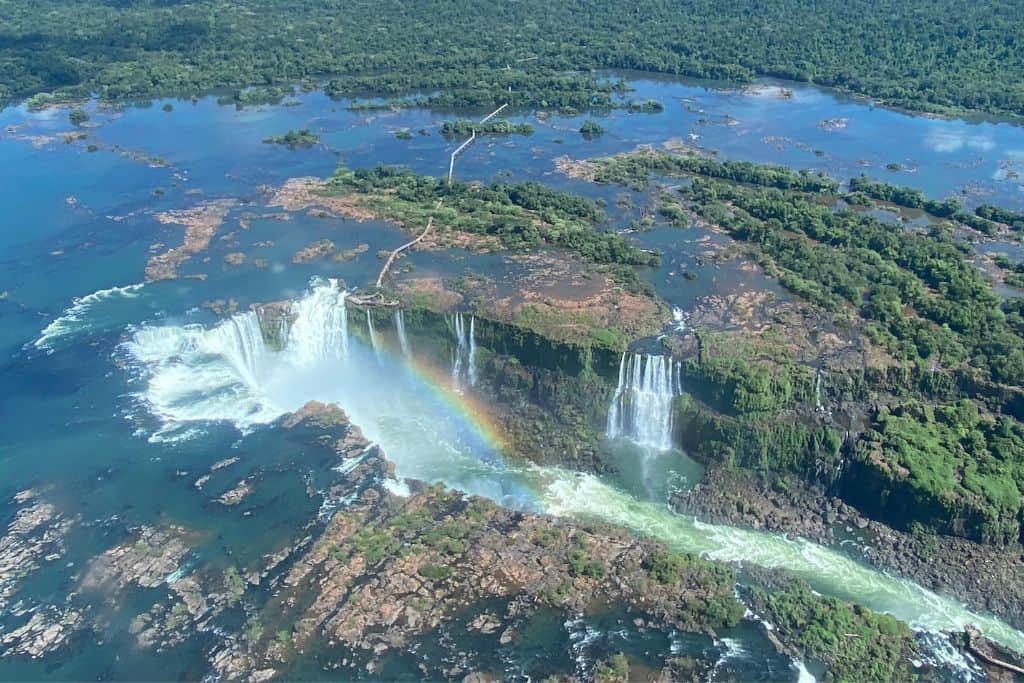
The Argentine side of the falls opens at 8:00 AM, and arriving right when gates open gives you approximately 90 minutes before the tour buses start flooding in. This golden window allows you to walk the Upper and Lower Circuits with minimal crowds and capture stunning photographs without photobombing strangers. The light during early morning also creates spectacular photo opportunities, with softer hues painting the cascading water.
For Devil’s Throat, the park’s crown jewel, consider visiting during late afternoon, around 3:00 PM or later. Most organized tour groups schedule this for mid-morning, meaning afternoons offer more breathing room. The afternoon light creates dramatic shadows across the gorge, and you’ll have a better chance of seeing wildlife along the ecological train route when visitor numbers decrease.
Regarding seasonal timing, the shoulder seasons from March to May and August to October provide the sweet spot between weather conditions and tourist volumes. You’ll avoid the summer crowds from December through February and still enjoy pleasant temperatures. Water flow remains impressive year-round, though the rainy season from October through March creates the most dramatic cascades.
Weekdays consistently see fewer visitors than weekends, particularly on Tuesdays and Wednesdays. If your schedule allows flexibility, structure your itinerary to visit the main attractions mid-week and save other experiences for weekend days.
Where Locals Actually Eat: Beyond Tourist Traps
Puerto Iguazu offers a dining scene that goes far deeper than the generic restaurants lining the main tourist strips. Knowing where locals grab their meals transforms your culinary experience from ordinary to extraordinary.
Start your mornings at local bakeries along Avenida Brasil, where you’ll find fresh medialunas (Argentine croissants) and cafe con leche at a fraction of hotel breakfast prices. These neighborhood spots buzz with Puerto Iguazu residents grabbing their daily bread and catching up with neighbors—exactly the authentic atmosphere you’re seeking.
For lunch, venture to El Quincho del Tío Querido on Bonpland Street, a family-run parrilla that’s been serving perfectly grilled meats for over forty years. Their signature dish features tender surubí, a local river fish that embodies the flavors of the Paraná and Iguazu rivers. The chimichurri sauce is made fresh daily, and unlike tourist-focused restaurants, portions reflect genuine Argentine generosity rather than inflated prices.
La Rueda represents another local institution, opened since 1975 and consistently packed with both Puerto Iguazu families and savvy travelers who’ve discovered its authentic appeal. Their surubí Garganta del Diablo (named after the falls’ Devil’s Throat) combines regional fish with traditional preparation methods passed down through generations. Request a table on their outdoor patio during pleasant evenings.
For an upscale experience that maintains local character, Aqva Restaurant specializes in regional Misionero cuisine, crafting innovative dishes using ingredients from the surrounding subtropical ecosystem. Their dorado and pacú preparations showcase the unique flavors of river fish that most international visitors never encounter.
Don’t overlook the less glamorous but equally authentic options. The Feirinha market offers empanadas, choripán, and other Argentine street food staples at local prices. Grab a cold Quilmes beer and join the mix of workers on their lunch breaks and families out for affordable meals.
Off-the-Beaten-Path Experiences That Define the Region
Three Borders Landmark at Sunset
While guidebooks mention the Hito Tres Fronteras, most tourists visit during daytime without realizing the true magic happens as the sun sets. This convergence point where Argentina, Brazil, and Paraguay meet becomes transformed during golden hour. The obelisks painted in each nation’s colors glow against the backdrop of the Iguazu and Paraná rivers merging, creating photo opportunities that rival the falls themselves.
Arrive about an hour before sunset to explore the craft market featuring genuine Misionero handicrafts—carved wooden animals, woven textiles, and mate gourds made by local artisans rather than mass-produced souvenirs. Time your visit to catch the Dancing Waters Show that begins after dark, a light and sound spectacle projected onto water jets that tells the story of the three nations through traditional music and dance.
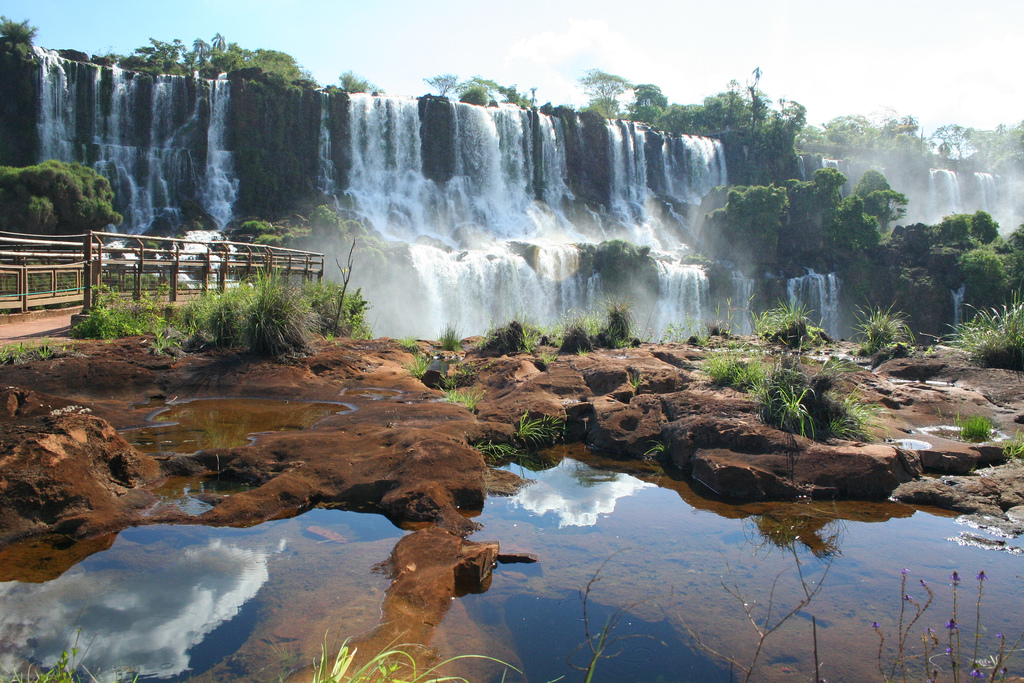
The Brazilian side’s Marco das Três Fronteiras offers an even more developed experience with Jesuit mission-themed architecture and the Cabeza de Vaca restaurant serving excellent Brazilian cuisine with unmatched river views. Consider alternating between sides on different evenings to appreciate both perspectives.
Puerto Iguazu’s Local Market Scene
The Mercado Artesanal (handicraft market) near the bus terminal provides authentic shopping experiences far removed from airport gift shops. Local vendors sell mate sets, leather goods, and regional delicacies including dulce de leche varieties you won’t find in tourist zones. Prices remain negotiable, and sellers appreciate when visitors show genuine interest in their crafts’ origins and techniques.
For food markets, explore the municipal market where Puerto Iguazu residents buy their daily groceries. You’ll find tropical fruits like carambola and pitanga, regional cheeses, and homemade pasta at prices that reveal the true cost of living rather than tourist markups. Sample fresh fruit juices and engage with vendors who’ll share cooking tips if you show interest.
Floating Restaurants and River Culture
One experience that eludes most international visitors involves the floating restaurants (known as balsas) along the Paraná River. These casual eateries, built on platforms over the water, serve fresh river fish in the most authentic setting imaginable. You’re eating where locals fish, swim, and spend Sunday afternoons with family. The atmosphere feels wonderfully unpretentious, with cold beer, grilled surubí, and the gentle river current creating natural air conditioning.
Finding these spots requires either a local guide or simply asking Puerto Iguazu residents for recommendations. Most float between the waterfront near downtown and the Three Borders area, marked by handmade signs rather than tourist brochures.
Guaraní Cultural Encounters
The indigenous Guaraní communities maintain a presence throughout the Misiones province, and respectful cultural exchanges offer profound insights into the region’s heritage. Several communities near Puerto Iguazu welcome visitors through organized cultural programs that provide fair compensation while protecting their traditions.
These experiences go far beyond the superficial craft markets inside the national parks. You’ll learn about medicinal plants from the subtropical forest, traditional hunting and fishing techniques that sustained Guaraní people for centuries, and the profound spiritual connection between indigenous communities and this landscape. The Guaraní legends about the creation of Iguazu Falls take on deeper meaning when shared in their original context.
Accommodation Insider Tips: Where to Stay for Different Budgets
The accommodation landscape around Iguazu Falls offers options spanning from backpacker hostels to five-star jungle lodges, but location and timing dramatically impact your experience.
For budget-conscious travelers, Puerto Iguazu’s town center provides the best value. Hostels and small hotels along Avenida Brasil and surrounding streets place you within walking distance of restaurants, markets, and bus connections to the falls. This neighborhood buzzes with local life rather than existing solely for tourism. Book accommodations that include breakfast, as this represents significant savings versus hotel restaurants.
Mid-range travelers should consider the area between downtown Puerto Iguazu and the national park entrance. Properties here offer pools, tropical gardens, and often include breakfast and transfer services to the falls. The Loi Suites properties represent excellent value in this category, combining comfortable accommodations with proximity to nature without the premium prices of in-park hotels.
For ultimate luxury and convenience, staying inside the national park eliminates transfer times and allows early morning and evening access when day visitors have departed. The Meliá Iguazu on the Argentine side provides direct walking access to the falls’ trails, though premium pricing reflects this extraordinary location. Consider splitting your stay between a luxury property for core falls visits and a downtown hotel to experience local culture.
Regardless of budget, book accommodations near the Amerian Portal del Iguazu area if sunset views and Three Borders access matter to you. This zone offers the best river vistas and convenient access to the landmark without requiring vehicles or taxis.
Maximizing Your Budget Without Sacrificing Experience
Experiencing Iguazu Falls like a local means understanding where to spend and where to save. Here’s how to stretch your budget while maintaining quality experiences:
- Purchase national park entrance tickets online in advance through official websites for both the Argentine and Brazilian sides. This saves time waiting in line and occasionally offers marginal discounts. The Argentine side requires advance booking and costs more than Brazil, but both sides offer distinct enough experiences to justify visiting each.
- For transportation between Puerto Iguazu and the parks, local buses provide reliable, affordable service at a fraction of private transfer costs. The Rio Uruguay bus line runs regularly between downtown Puerto Iguazu and the park entrance, used by both locals and budget travelers. If crossing to Brazil, the same affordable buses connect across the international bridge.
- Food represents a major budget category where smart choices make huge differences. Eat breakfast at your accommodation, pack snacks and water for inside the parks (allowed on both sides), and save restaurant meals for evenings in Puerto Iguazu rather than paying inflated prices at park concessions. A proper Argentine parrilla dinner costs less in town than a basic sandwich inside the park.
- Consider package tours from established local operators for comprehensive experiences without individual booking hassles. Companies with over twenty years of regional experience combine accommodations, transfers, guided visits to both sides of the falls, and additional attractions like the San Ignacio Jesuit Ruins and Wanda Mines into seamless itineraries at better overall value than assembling components separately. These packages eliminate stressful logistics around border crossings, timing, and transportation while ensuring you don’t miss hidden gems that independent travelers often overlook.
The Local Advantage: Why Experience Matters
After two decades of guiding visitors through Iguazu Falls and the surrounding region, one truth stands out: this destination rewards those who access local knowledge. The difference between a good trip and an extraordinary one often comes down to timing a visit to Devil’s Throat when light and crowds align perfectly, knowing which trails offer wildlife sightings at different times of day, or discovering that neighborhood restaurant where three generations of a family have perfected their surubí recipe.
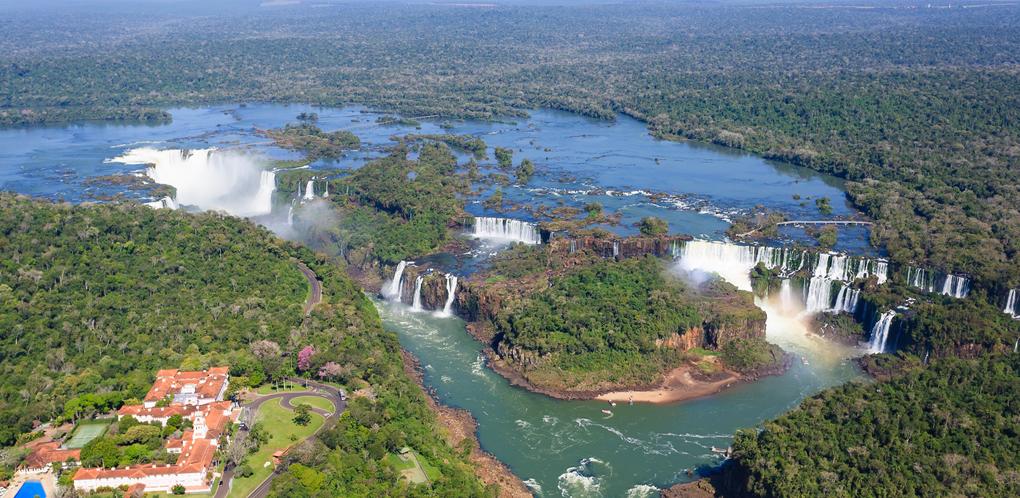
The surrounding region—from the red earth of Wanda Mines to the haunting ruins of San Ignacio, from the subtropical ecosystems of the Iryapu jungle to the cultural convergence at the Three Borders—expands your Iguazu experience from a single natural wonder into a comprehensive journey through one of South America’s most fascinating corners.
Planning an itinerary that seamlessly integrates these elements while handling the practical challenges of international borders, language barriers, and regional transportation requires either extensive research or partnership with operators who’ve built relationships throughout the area over many years. The choice between arriving as a typical tourist or experiencing Iguazu like a local ultimately determines whether this becomes just another waterfall visit or a transformative travel experience you’ll recount for years.
The falls themselves remain spectacular regardless of how you visit them. But the memories that linger longest often come from that perfect sunset at the Three Borders landmark, that conversation with a Guaraní elder about forest medicine, that surubí dinner where the restaurant owner shared stories about fishing the Paraná, or that early morning at Devil’s Throat when you had the gorge almost to yourself. These moments happen when you travel like someone who knows the way.